
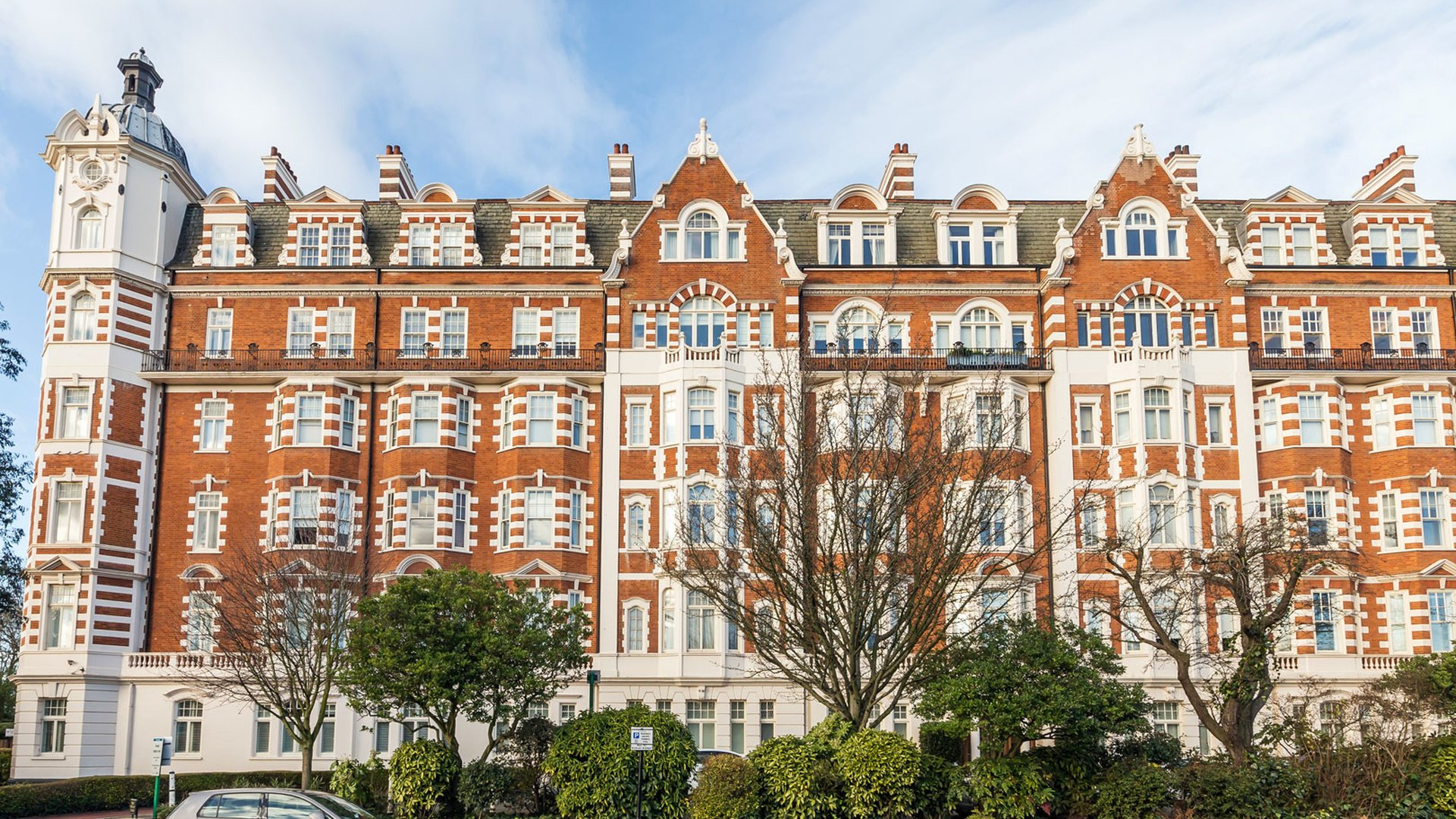
What is Block Management in London?
Block management within London refers to the oversight of residential apartment buildings with key initiatives including day-to-day maintenance, service charge management, leasehold management and statutory compliance.
A qualified residential managing agent within central London ensures each building meets the legal obligation whilst protecting both the leaseholders rights and the freeholders interests. This role has become significantly more complex post-Grenfell regulatory reform.
What is fire safety & building compliance in block management?
Fire safety compliance involves the identification, assessment, mitigation and ongoing management of fire risks in multi-occupancy residential buildings.
It includes:
- Fire risk assessments (FRAs)
- Maintenance of fire safety systems
- Resident engagement
- Compliance documentation
- Regulatory reporting
Fire risk assessment requirements come from primary legislation, including:
- Building Safety Act 2022
- Regulatory Reform (Fire Safety) Order 2005
- Fire Safety (England) Regulations 2022
- Fire Safety (Residential Evacuation Plans) (England) Regulations 2025
Higher-risk buildings (HRBs), typically 18 metres or taller or 7+ storeys, are subject to enhanced oversight by the Building Safety Regulator (BSR).
According to the Building Safety Regulator, over 12,500 higher-risk buildings in England are now within this rule.
UK building safety laws & regulations (2026 update)
- 6 April 2026 – Fire Safety (Residential Evacuation Plans) (England) Regulations 2025 came into force, introducing mandatory Residential Personal Emergency Evacuation Plans (RPEEPs).
- 30 September 2026 – Updates to Approved Document B take effect, including a second staircase requirement for residential buildings over 18 metres, alongside enhanced evacuation lift standards and reduced travel distances.
- 1 October 2026 – The Building Safety Levy is introduced, applying to most residential developments of 10 or more dwellings.
2026 fire safety compliance checklist for London blocks
1. Fire risk assessment for flats (FRA)
- Must be carried out by a professional
- Reviewed annually or after material changes
- Must assess:
- External walls and cladding
- Fire doors
- Compartmentation
Findings must be recorded and shared appropriately with leaseholders
2. Fire doors in flats, compartmentation & maintenance
- Quarterly visual audits
- Annual certified audits
- Maintain effective compartmentation
Compartmentation failure remains a leading cause of fire spread in residential buildings.
3. RPEEPs (Mandatory from April 2026)
Applies to:
- Buildings 18m+ or 7+ storeys
- Certain buildings over 11m with simultaneous evacuation strategies
Responsible Person must:
- Identify residents requiring assistance
- Conduct person-centred fire risk assessments
- Produce Emergency Evacuation Statements
- Implement proportionate safety measures
- Maintain a Building Emergency Evacuation Plan (BEEP)
- Share information with Fire & Rescue Services (with consent)
4. Building Safety Act 2022 obligations (Higher-Risk Buildings)
- Register with the Building Safety Regulator
- Appoint a Principal Accountable Person (PAP)
- Maintain the Golden Thread of information
- Produce a Building Safety Case
- Engage residents with transparent communication
5. Approved Document B updates (From September 2026, new builds)
- Mandatory second staircase for buildings over 18m
- Enhanced evacuation lift standards
- Protected lobbies and reduced travel distances
- Improved external wall fire performance
6. Service charge & financial compliance
Effective service charge management London is required for compliance.
- Budget for safety works proactively
- Follow Section 20 consultation procedures
- Ensure transparency and value for leaseholders
Expert London block management services by Darcy Residential
Darcy Residential is a specialist London block management company supporting freeholders, RMCs and RTM companies across Kensington & Chelsea, Westminster, Hammersmith & Fulham and Islington.
Our services include:
- Coordination with qualified fire safety consultants
- Centralised compliance tracking and reporting
- Liaison with the building safety regulator and fire authorities
- Full leasehold management and service charge management London
- Cost-effective, practical compliance strategies
Tailored Block Management Services in London
Unlike other block management firms, Darcy Residential understands that a boutique block in Chelsea has different needs than a large-scale development in East London. Our services are bespoke, ranging from:
Property Refurbishment & Section 20 Works
Building Consultancy & Surveying
Specialist Residential Block Insurance London
Property Accounting & Financial Reporting Services
24/7 Emergency Repair Support
Ensure your building meets 2026 compliance standards
If you are unsure if your building meets the current fire safety legislation, a proactive review can identify risks before they become costly issues.
Darcy Residential provides full compliance audits, fire safety coordination and ongoing block management support across London. Contact Darcy Residential here.
Frequently Asked Questions (FAQ)
Who is responsible for a fire risk assessment in a block of flats?
The responsible person, usually the freeholder, the residents' or right to manage company, or the managing agent that controls the shared areas. They must make sure a suitable fire risk assessment of the common parts is carried out and kept up to date under the Regulatory Reform (Fire Safety) Order 2005.
Is a fire risk assessment a legal requirement for flats?
Yes for the shared areas. All buildings in England and Wales that contain flats must have a fire risk assessment of the common parts. It looks at how a fire could start, what would happen if it did and how to reduce the risk and protect people.
How often should a fire risk assessment be carried out?
The law does not set a fixed interval. The responsible person must review it regularly, and must review it if there is reason to think it is out of date or after significant changes such as major building works. The assessment itself may recommend how often to review it.
Who can carry out a fire risk assessment?
A competent person with the right training and experience for the type of building. There is no single legal register, so responsible persons often choose an assessor with a recognised accreditation and check their experience with blocks of flats.
What does a block managing agent do regarding fire safety?
They arrange fire risk assessments, manage safety systems, implement RPEEPs, maintain compliance records and ensure service charge funds are properly allocated.
How often must fire doors be checked in a block of flats?
In a building with two or more homes and more than 11 metres in height, communal fire doors must be checked at least every three months and flat entrance doors at least every 12 months, with the agent using best endeavours to get access. In all such buildings residents must be given fire door information each year.
When did RPEEPs become mandatory?
6 April 2026 for relevant residential buildings in England.
Do all London blocks need a second staircase?
No. This applies only to new buildings over 18 metres from September 2026.
How much does fire safety compliance cost?
Costs vary by building size, height and condition. Proactive block management reduces long-term costs significantly.
What is a Principal Accountable Person (PAP)?
The legally responsible individual or organisation for building safety in higher-risk buildings under the Building Safety Act 2022.
Is your current management meeting the Darcy standard?
Contact us now:
Phone: +44 20 3727 2618
Email: info@darcyresidential.co.uk